
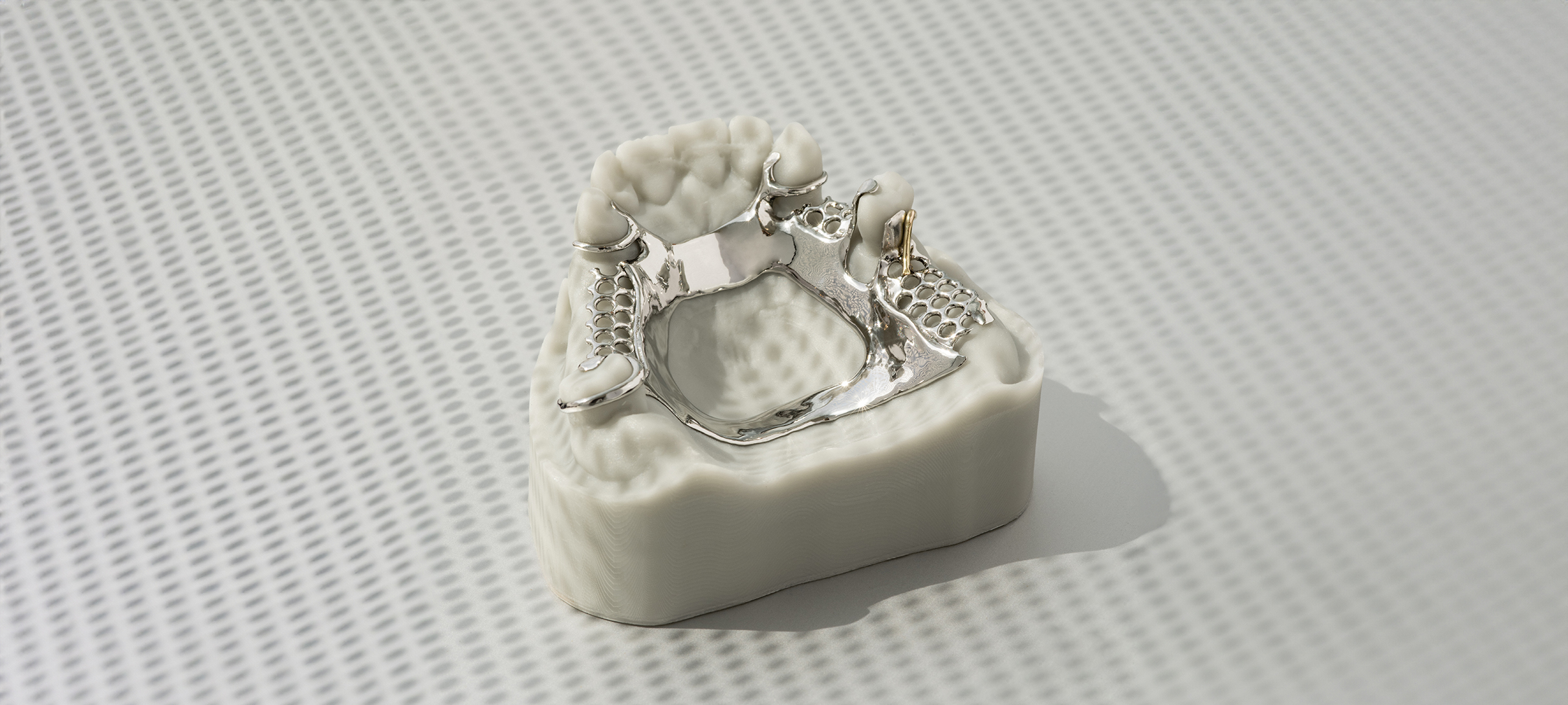
This alloy offers excellent elasticity and strength. Printed at the laboratory, this prosthesis provides precise thickness adjustments, enhancing durability. Digital processing offer many advantages: faster production times, greater customization and unmatched precision. An innovative laser printing technology eliminates metal porosity, allowing the prosthesis to better withstand mechanical forces.
Advantages:
Ideal for:
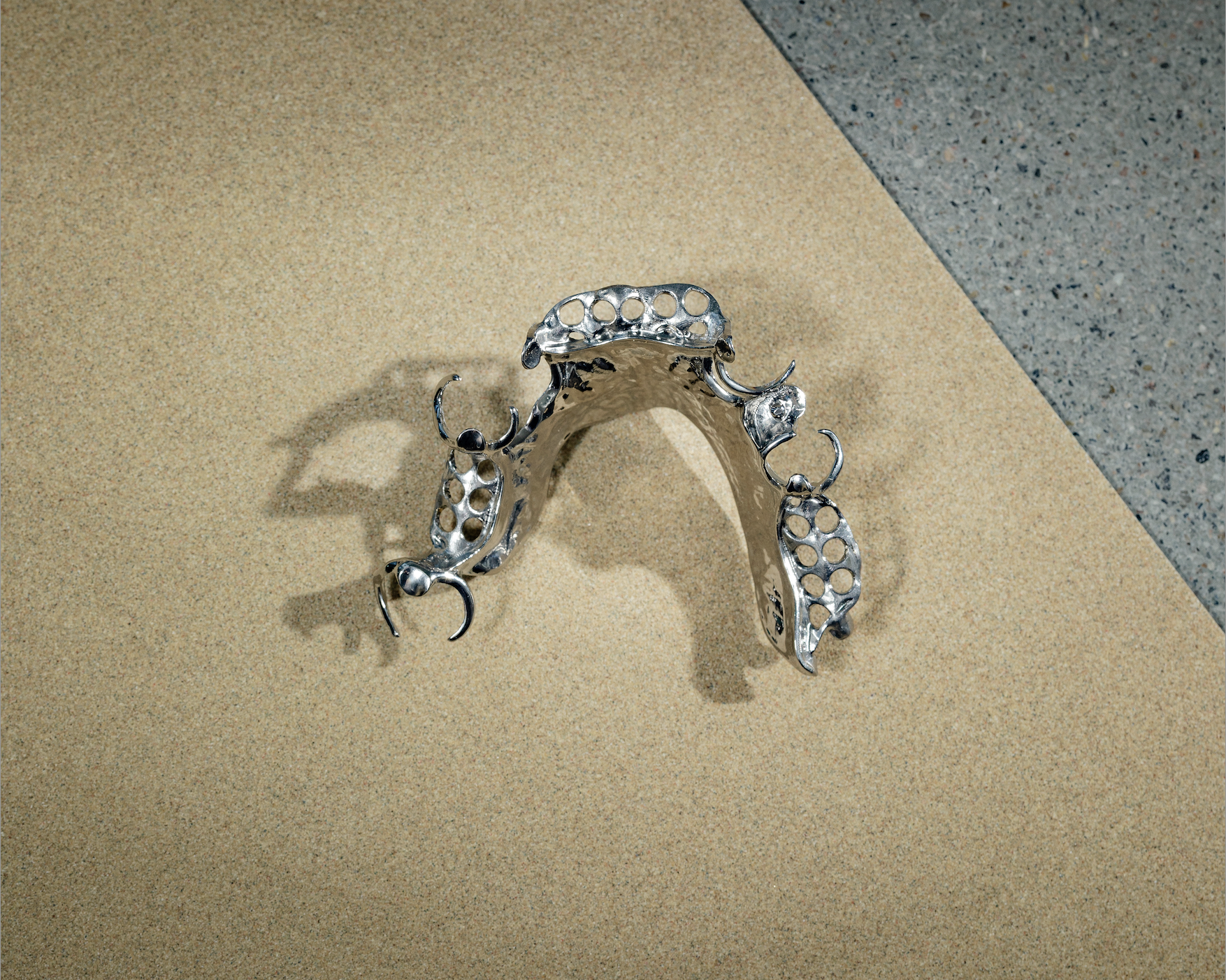
Titanium, which is lighter than chrome cobalt, is an excellent choice for patients with allergies to chrome cobalt prostheses. Its high elasticity conveys remarkable durability. Like chrome cobalt, titanium benefits from a digital design and manufacturing process, resulting in a machined dental product with high resistance to mechanical stress.
Advantages:
Ideal for:
PEEK stands out for its biocompatibility, making it an ideal solution for patients with metal allergies. However, its mechanical properties give it a higher elasticity modulus, making it less durable than chrome-cobalt or titanium. It remains a reliable and comfortable alternative.
Advantage:
Ideal for:
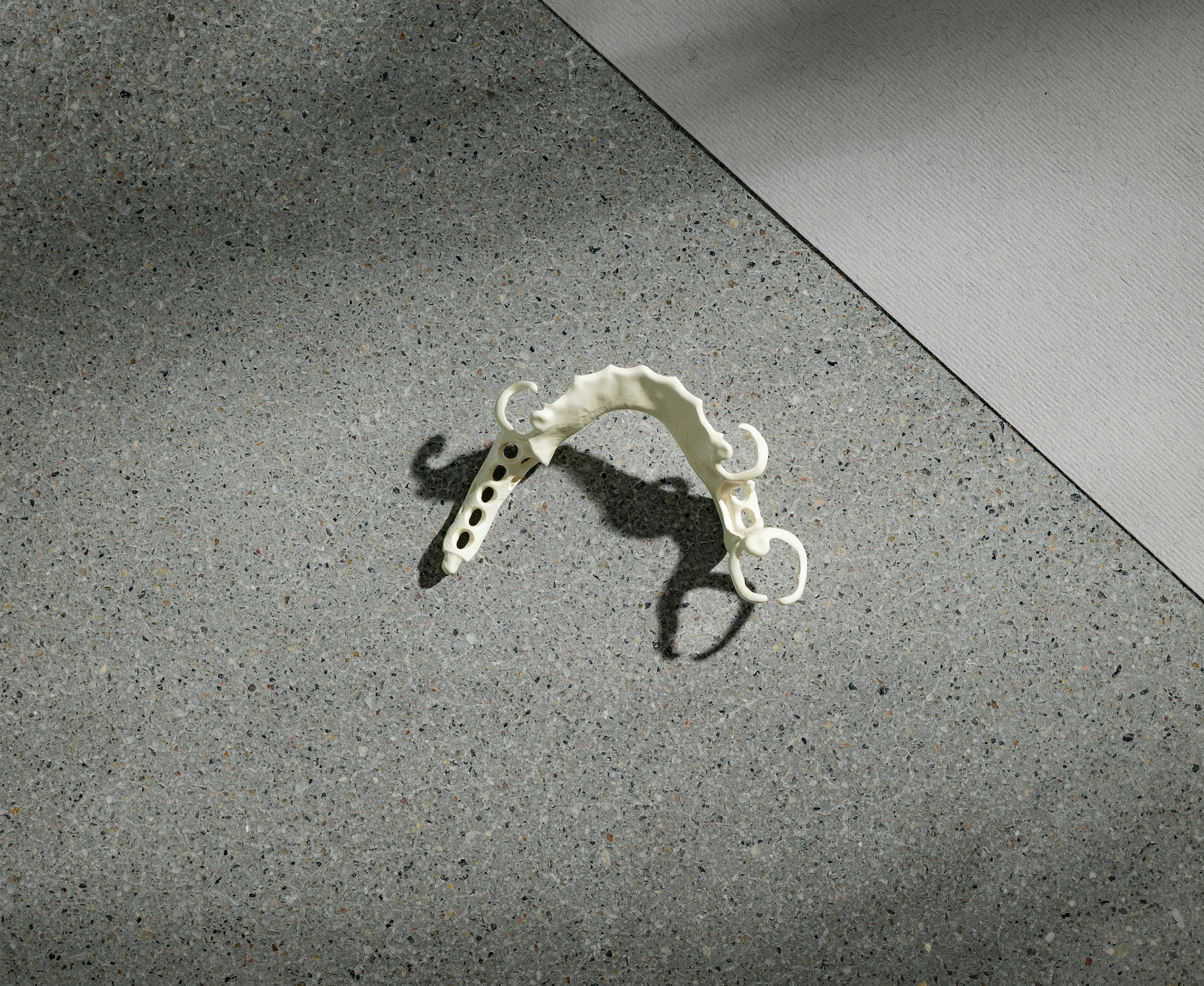
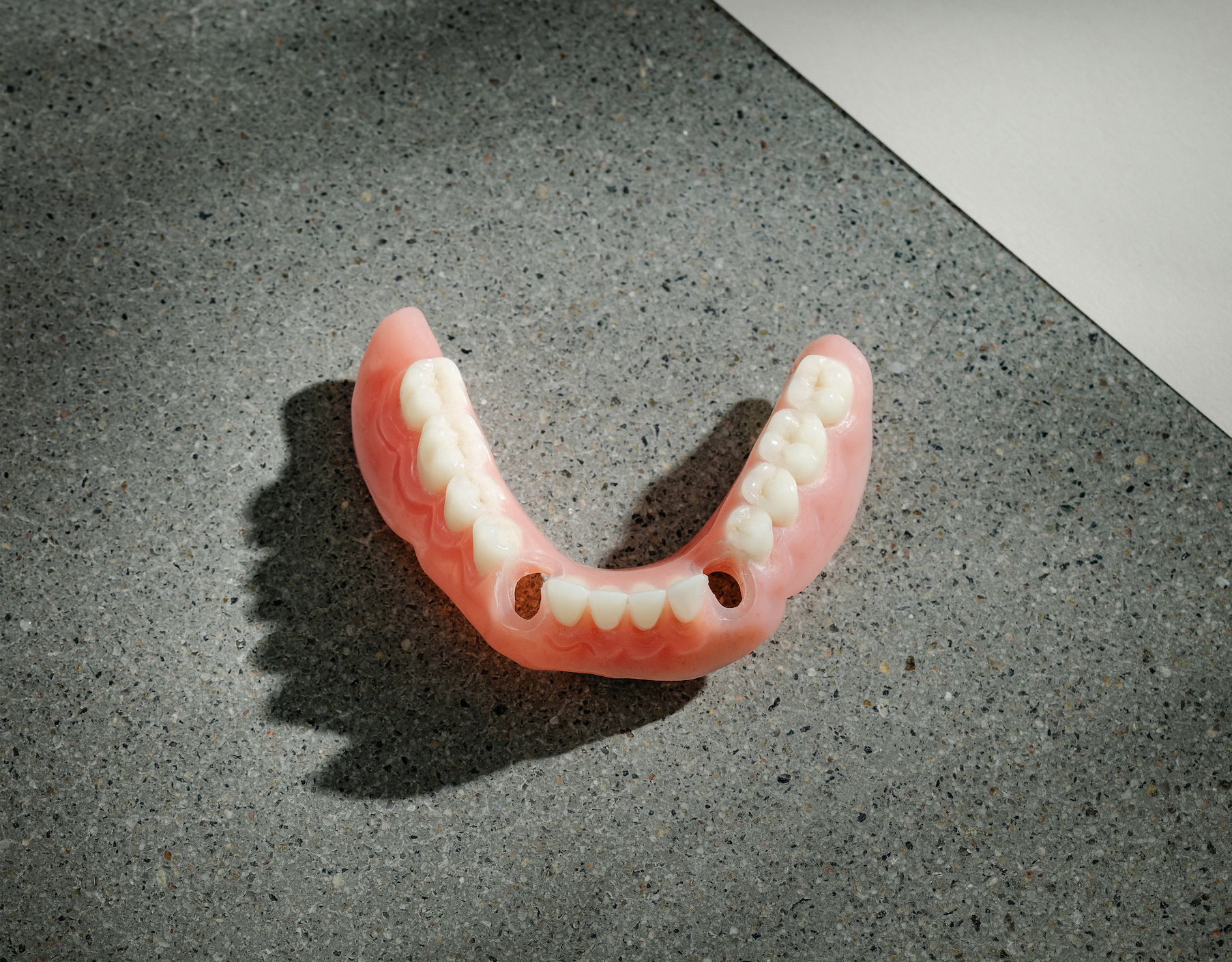
The prostheses rest directly on the gum, eliminating the need for metal clasps. Nylon, known for its durability, is perfect for existing and added teeth. This type of design avoids the use of metal clasps.
By combining nylon and metal, the main advantages of both materials are leveraged: flexibility, strength, and durability.
Advantages:
Options:
Ideal for:
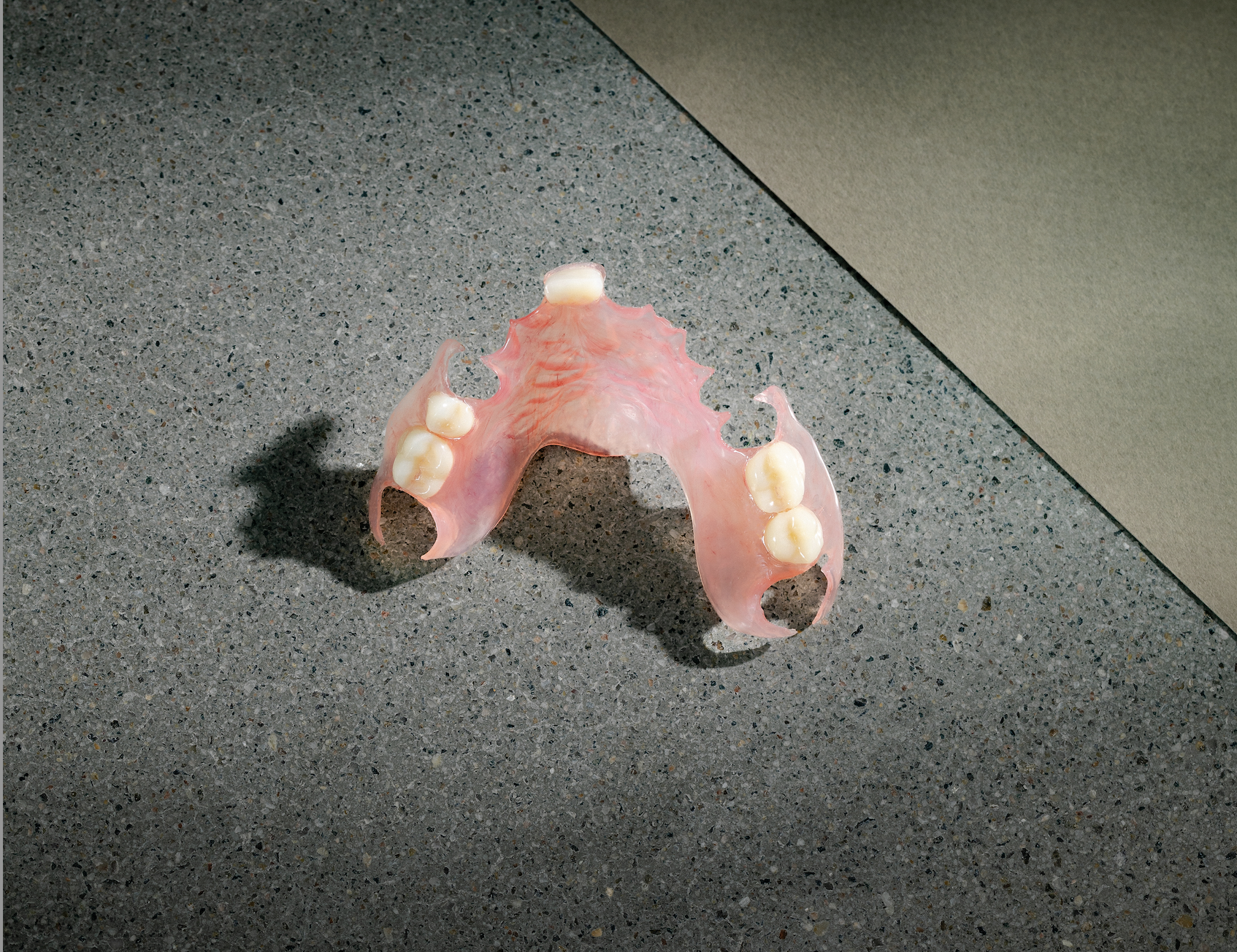
The (Cu-Sil type) prosthesis, including silicone ring (Cu-Sil type), is a unique solution for patients with only one to four teeth remaining. The durable silicone ring surrounds the remaining teeth, ensuring stability in the mouth.
Another interesting advantage is that this dental product is easy to modify after an extraction.
Advantages:
Ideal for: